
Marc Schweitzer, M.Arch, AIA Oakland, CA

  • Home
  • Asking for Help
  • FAQs
  • Ways to Help
  • Living Kidney Donation
  • Contact
  • Learn More - Library
  • More
    • Home
    • Asking for Help
    • FAQs
    • Ways to Help
    • Living Kidney Donation
    • Contact
    • Learn More - Library

Marc Schweitzer, M.Arch, AIA Oakland, CA

  • Home
  • Asking for Help
  • FAQs
  • Ways to Help
  • Living Kidney Donation
  • Contact
  • Learn More - Library
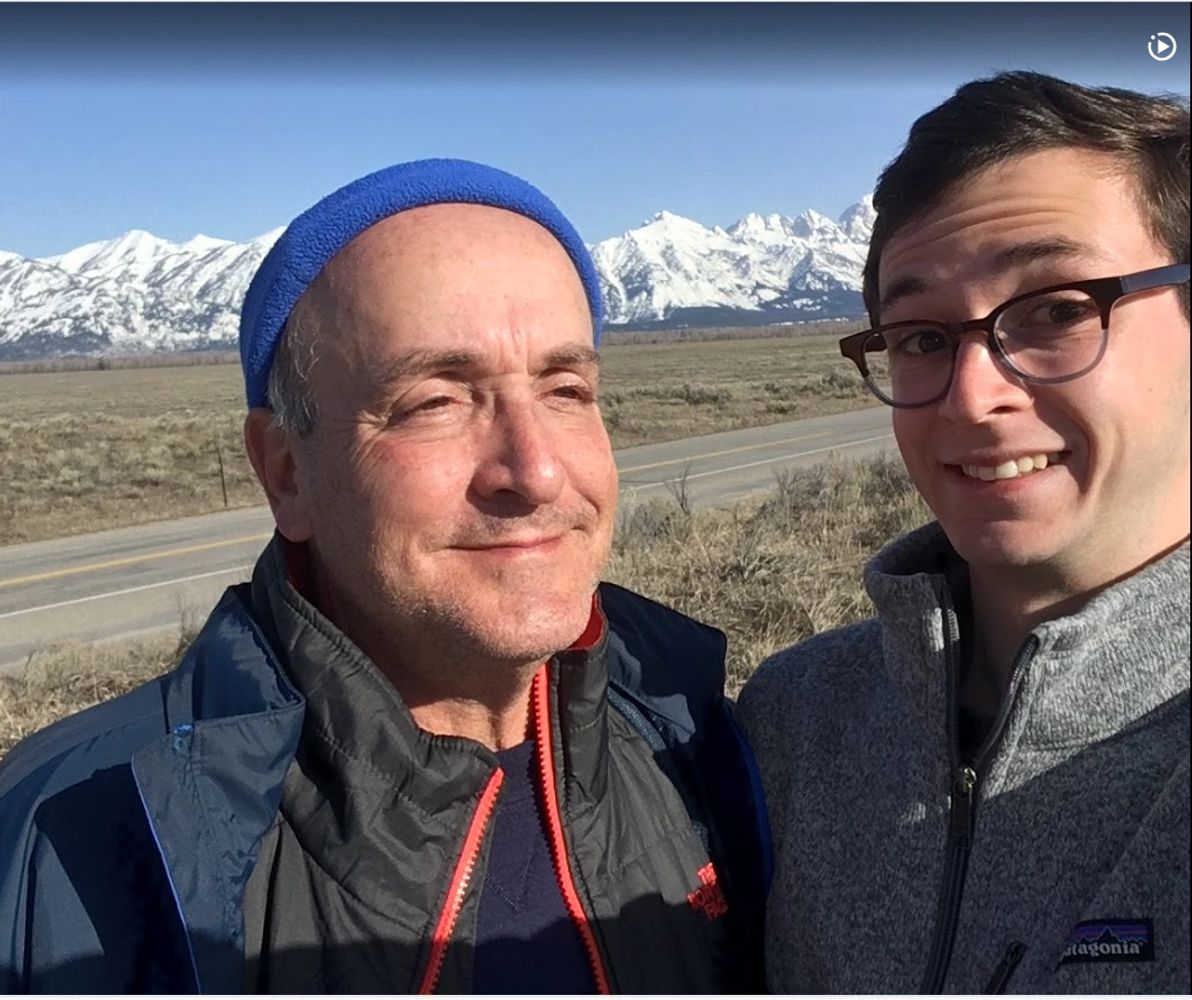
Two men smiling outdoors with snowy mountains in the background.

can you help?

I NEED A KIDNEY DONOR

I NEED A KIDNEY DONORI NEED A KIDNEY DONORI NEED A KIDNEY DONOR
Quick Link to Sutter CPMC (SF, CA) Donor Evaluation

Asking for Help

Having my kidneys fail and ending up on home Peritoneal Dialysis every night is, shall I say, "less than ideal." My kidney disease has been progressive over many years due to Polycystic Kidney Disease (PKD). In fact, I consider myself fortunate to have avoided dialysis or any debilitating symptoms until I was 72 years old. 


Here's the thing - I still have a lot to contribute to my professional field of healthcare architecture. As a recipient of the "Planetree Lifetime Achievement Award" for patient-centered design, I want to continue to make a difference! I also want to enjoy my family and friends, see grandchildren, and live life to the fullest!  Kidney transplant and a living kidney donation would allow me to maintain my health for as long as possible. My Dad lived independently to 89, and I'd like a shot at that! 


P.S. My health is good, besides the kidney failure. But I have noticed I now look like a butternut squash when I wear a yellow shirt.

Return to Top

FAQ's about Live Donation

Because it saves lives. Patients with kidney failure often wait years for a transplant. A living kidney donor offers them a chance to get off dialysis sooner—with a kidney that typically lasts longer and works better.


 Yes. Most people are born with two kidneys, but you only need one healthy kidney to live a full, normal life. 


There is no age limit for donating a kidney.  You just need to be in good physical and mental health. You’ll go through a full medical screening to make sure donating is safe for you and the person receiving your kidney.


It usually involves:

  • A health questionnaire and lab tests
  • A full medical and psychological evaluation
  • Approval by a transplant team
  • Scheduling surgery if you’re cleared to donate

You’re supported every step of the way.

 No. The recipient’s insurance covers your medical expenses for evaluation, surgery, and follow-up. You may qualify for help with travel, lodging, and lost wages through donor assistance programs. 


 Most donors go home within 1–3 days after surgery and return to normal activities in 4–6 weeks. Many are back to work in 2–4 weeks, depending on the job. 


All surgery carries some risk, but major complications are rare. Most donors go on to live healthy lives. Your remaining kidney grows slightly and takes over the work of both 


 Not at all in the long run. You’ll live with one kidney, but your life expectancy and health outlook remain the same. You’ll have yearly check-ups to monitor your kidney function. 


Yes. Many women have healthy pregnancies after donating. Just let your doctor know you’re a kidney donor so they can monitor you more closely during pregnancy. 


 No. You can donate to a friend, coworker, spouse—or even a stranger. Non-directed (anonymous) donors are incredibly valuable and deeply appreciated. 


 You can still help through a Kidney Paired Exchange—a program that matches incompatible donor/recipient pairs with others in the same situation so everyone gets a compatible transplant. 


 Federal law prohibits health insurers from denying coverage or raising premiums because you were a donor. Still, it’s wise to check with your provider.  


Yes. You can decide not to donate at any point. The process is completely voluntary, and your privacy and choice will be fully respected.

​

Many say it’s one of the most meaningful things they’ve ever done. You’re giving someone a second chance at life—and most donors feel just as grateful as the recipients. 


 There aren’t enough kidneys available for the people who need one. The numbers say it all:

  • Over 100,000 people in the U.S. are waiting for a kidney transplant.
  • In 2021, only 24,669 people received a kidney.
  • Over 75,000 individuals did not receive a kidney and are still waiting.
  • The transplant waiting list keeps growing: every 14 minutes, someone new joins the list.
  • The average wait time for a deceased donor kidney is 3-5 years and can be up to 8-10 years.
  • About 13 people on the transplant list die EVERY DAY waiting for a kidney.


Help by Spreading the Word

Activate your email signature

Add an active link to your email signature.  Your correspondents can click on the link to easily visit this website and learn about my request for a kidney donation.

Get the email tag line

Talk it up!

You can't always get what you want, but to get what I need I have to ask.  Help with "my ask" by telling everyone you meet about me, this website, and my urgent need for a live kidney donation.

I hereby deputize you all as my champions to spread the word!

Music by The Rolling Stones........

Get some stickers

Stick 'em up!  

Join the team for my DIY advertising campaign.  We'll send you some stickers to put up on community bulletin boards, at local businesses, on vehicles or on items you carry (water bottles, laptops, etc.)

Contact Form

Donate to the Transplant program

Let the transplant center know you support me by making a tribute gift "in honor of Marc Schweitzer."

Donations are essential to funding innovative care, new technologies, research, and training.

Donate SUTTER cPMC

Living Kidney Donation

Hands holding paper cutouts of kidneys symbolizing kidney health care.

1. Complete Questionnaire

I am currently on waiting lists for a kidney transplant at both Sutter's California Medical Center in San Francisco, and Mayo Clinic in Phoenix, Arizona

If you want to be considered as a potential living donor, first complete the Living Donor Screening Questionnaire. Once the questionnaire has been reviewed, the nurse will call to discuss the next steps. 

[On the form to designate me as recipient you will need my birthdate, which is May 17, 1953]

You can also speak with a representative of the Living Donor Programs:

at CPMC by calling (415) 600-1700

at Mayo by calling (480) 342-1010 

Sutter CPMC Donor Questionnaire
3D illustration of human kidneys with connected blood vessels.

2. Complete Initial Testing

These preliminary tests will determine kidney function and compatibility with the recipient. 

MAYO CLINIC DONOR QUESTIONNAIRE
Person holding a green heart with donate icons over a laptop keyboard.

3. Complete Evaluation

All living donor candidates must complete a two-day evaluation to determine medical, surgical and psychosocial suitability 

Doctor managing digital medical records with a virtual interface.

4. Get Medical Workup

If you wish to proceed as a donor, whether compatible or not, we’ll schedule a full medical workup at CPMC in San Francisco with a transplant nephrologist and surgeon, as well as a psychosocial evaluation by a transplant social worker. 

If you live out of state, the medical workup may be completed locally by a recognized transplant center. 

Learn More
Technician assisting an elderly patient during a CT scan in a medical facility.

5. Get a CT Scan

On the second day of the evaluation, once it has been determined that you are medically acceptable to be a living donor, a final study —   a CT scan — is scheduled. 

The CT scan is a type   of X-ray that enables the physician to view your kidney and surrounding blood vessels from many different angles. The scan takes about one hour and is usually performed at CPMC in San Francisco unless you live far away. 

You and the transplant surgeon will discuss the findings of the scan. If there are no abnormalities, the surgeon will discuss the surgery with you. 

Medical team in scrubs standing around a patient in an operating room.

6. Arrange a Transplant Date

The last step in the living donation process is scheduling a date for the transplant surgery.   This timing is based on: 

•  Insurance authorization.  

•  Donor’s and recipient’s medical clearance.  

•  Recipient’s financial clearance.  

•  Donor’s and recipient’s schedules.  

•  Operating room and surgeon’s schedules. 

Return to Top
Close-up of a yellow daylily flower in natural light.
Man in blue jacket pointing at a colorful flower arrangement on a wooden table.

Audio

What's a website without some rock 'n roll? Just like a kidney donor is essential for a kidney transplant, who better to bring the energy than the Stones, celebrating the spirit of living kidney donation!


Copyright © 2025 Marc Needs a Kidney - All Rights Reserved.


Powered by

Thanks for visiting!

This website uses cookies.

We use cookies to analyze website traffic and optimize your website experience. By accepting our use of cookies, your data will be aggregated with all other user data.

Accept